Adi Kailash: The Sacred Abode of Lord Shiva
Introduction
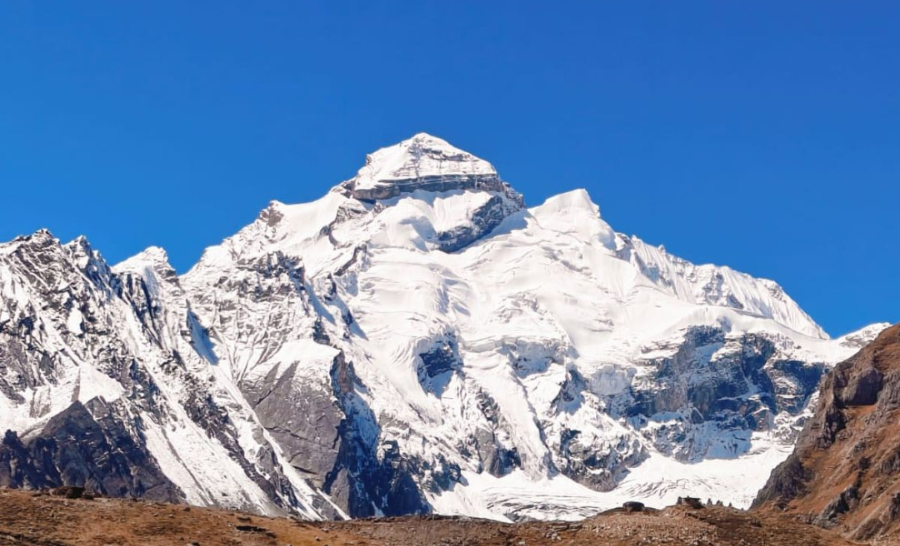
Nestled in the lap of the Indian Himalayas, Adi Kailash, also known as ‘Chhota Kailash,’ is one of the most revered pilgrimage sites for Lord Shiva devotees. Located in the Pithoragarh district of Uttarakhand, this holy mountain stands at an elevation of 6,311 meters. It is considered a sacred replica of the famous Mount Kailash in Tibet, which is believed to be the celestial abode of Lord Shiva. The Adi Kailash Yatra is not just a spiritual journey but also a mesmerizing experience that offers breathtaking views of the Himalayan landscapes.
Significance of Adi Kailash
Adi Kailash holds immense religious importance for Hindus, particularly followers of Lord Shiva. The mountain, surrounded by scenic beauty and sacred spots, is believed to be a place where Lord Shiva, along with Goddess Parvati, Lord Kartikeya, and Lord Ganesha, spent time admiring nature’s splendor. It is said that Adi Kailash resonates with divine energy, making it a prime destination for meditation, peace, and spiritual enlightenment.
Om Parvat: The Mystical Wonder
A short distance from Adi Kailash, near the Indian, Tibet, and Nepal border, lies the mysterious Om Parvat. This unique peak features a natural snow formation that resembles the sacred symbol ‘Om,’ making it a miraculous sight for pilgrims and spiritual seekers. Om Parvat is considered a divine manifestation of Lord Shiva’s presence, and witnessing it is believed to bring immense blessings.
Adi Kailash Yatra: A Spiritual Expedition
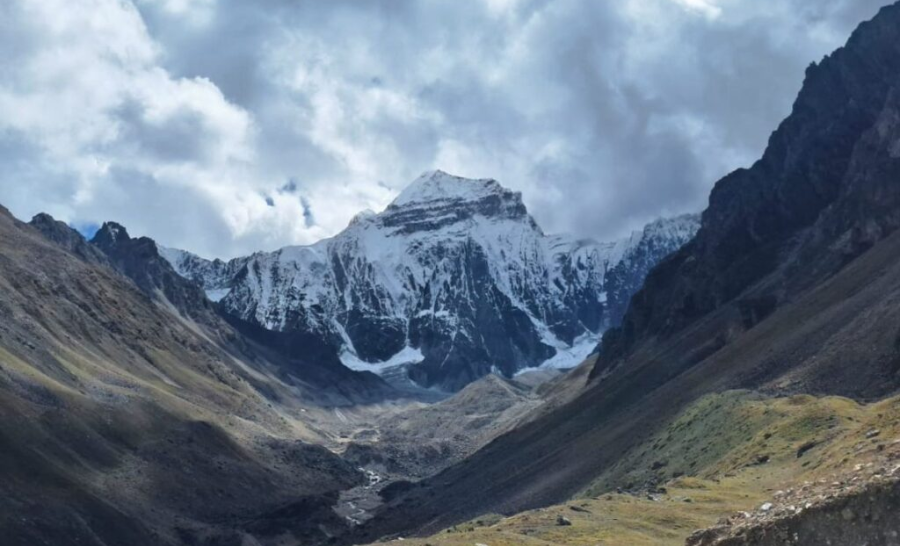
The journey to Adi Kailash is one of the most thrilling and spiritually enriching treks in the Indian Himalayas. The pilgrimage route takes devotees through stunning valleys, gushing rivers, dense forests, and remote villages. Along the way, there are several significant stops that hold religious and mythological importance:
1. Parvati Jheel
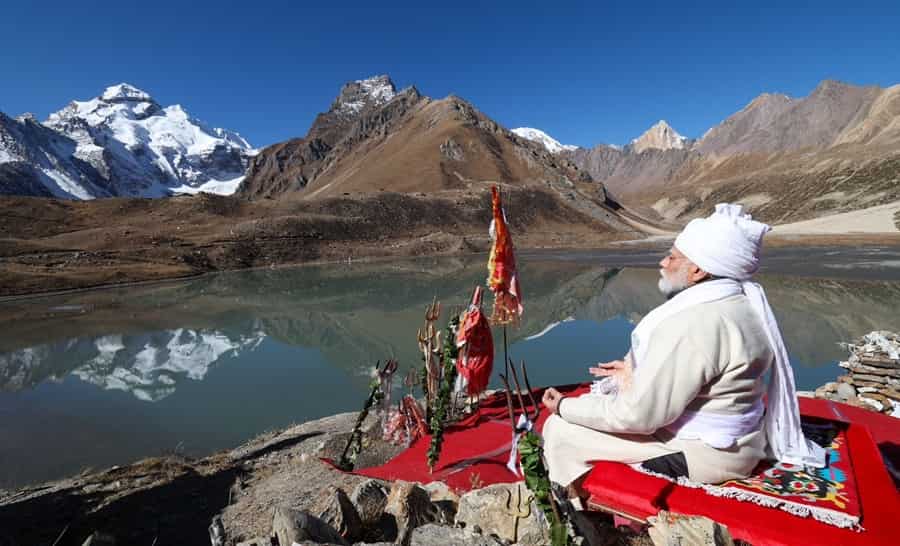
This sacred lake, located near Adi Kailash, is named after Goddess Parvati. Pilgrims believe that taking a dip in its holy waters purifies the soul and bestows divine blessings. The lake reflects the surrounding snow-capped mountains, creating a breathtaking view.
2. Parvati Mukut
The name ‘Parvati Mukut’ translates to ‘Crown of Parvati,’ symbolizing the celestial beauty of Goddess Parvati. It is a stunning peak that enhances the divine ambiance of Adi Kailash.
3. Shesh Naag Parvat
Named after the cosmic serpent Shesh Naag, this mountain is believed to have a connection with the divine serpent of Lord Vishnu. It is one of the significant landmarks on the pilgrimage route.
4. Ved Vyas Gufa
According to legends, Ved Vyas, the sage who composed the Mahabharata, meditated in this cave. Pilgrims visit this site to seek wisdom and enlightenment.
5. Gauri Kund
Dedicated to Goddess Parvati, Gauri Kund is a holy water body where devotees offer prayers and seek the blessings of the divine mother. It is believed that Goddess Parvati used this sacred pond for bathing.
6. Kunti Parvat and Pandav Fort
These sites are associated with the Pandavas from the epic Mahabharata. It is said that the Pandavas visited this region during their exile and built a fort. The area carries deep mythological significance.
7. Bahama Parvat and Kali Mandir
These religious landmarks add to the spiritual charm of Adi Kailash. The Kali Mandir is dedicated to Goddess Kali, and pilgrims offer prayers to seek protection and strength.
How to Reach Adi Kailash
The journey to Adi Kailash involves multiple modes of transport, including road travel and trekking. Here’s how you can reach this divine destination:
By Air: The nearest airport is Pantnagar Airport, approximately 300 km from Pithoragarh. From there, one can hire a taxi to reach Dharchula, the starting point of the trek.
By Train: The nearest railway station is Kathgodam, about 275 km from Pithoragarh. From Kathgodam, buses and taxis are available to reach Dharchula.
By Road: Dharchula is well-connected by road from major cities in Uttarakhand. From Dharchula, the journey continues via road to Tawaghat and then to Gunji, followed by a trek to Adi Kailash.
Best Time to Visit
The best time to visit Adi Kailash is between May and October when the weather is favorable. During this period, the roads remain open, and the trek is relatively easier. The monsoon months (July and August) should be avoided due to the risk of landslides and heavy rainfall.
Challenges and Precautions
The trek to Adi Kailash is physically demanding, and pilgrims must be well-prepared. Here are some essential tips to ensure a safe and successful journey:
Acclimatization: Since Adi Kailash is at a high altitude, proper acclimatization is crucial to avoid altitude sickness.
Physical Fitness: A good level of physical fitness is required for the trek. Regular exercise and stamina-building activities are recommended before embarking on the journey.
Essential Gear: Carry warm clothing, sturdy trekking shoes, rain gear, a first-aid kit, and sufficient food supplies.
Permits: Since the region is close to the international border, special permits from local authorities are required to visit Adi Kailash and Om Parvat.
Travel in Groups: It is advisable to travel in groups or join organized tours for better safety and guidance.
Conclusion
Adi Kailash is more than just a pilgrimage; it is a journey of self-discovery, devotion, and connection with nature. The serene environment, breathtaking landscapes, and spiritual aura of this sacred mountain make it a must-visit destination for seekers of divine blessings. Whether you are a devotee of Lord Shiva or a nature enthusiast, the Adi Kailash Yatra promises an unforgettable experience filled with adventure, tranquility, and enlightenment.